Gluten Free 101

gluten

All of the recent discussions about the debate on gluten can seem overwhelming. Many have asked me “What is gluten? Why is it bad? Do I really need to avoid it?”  So I thought I would share more about this topic for anyone else who may be interested.

Some people may consider going gluten-free to be a “trend” while others legitimately believe it has a debilitating effect on their bodies. If you would have asked me 6 months ago about my take on gluten, I would have fallen into the “trend” category and admitted I was skeptical. That skepticism, along with learning from IIN and becoming educated on the topic from various resources, has completely changed my view on gluten. It has sparked an interest in me that I want to share.

What is Gluten? Gluten by definition is a protein composite (made up of glutenin and gliadin) that binds to wheat and other grains such as rye and barley. Gluten has elasticity and a glue-like capacity to hold flour products together and provide them with a chewy texture.

Gluten is linked to a more common autoimmune disease called Celiac disease, which occurs when the proteins in gluten trigger your immune system to overreact with strong and unusual antibodies. Over time, the reaction caused by these antibodies wears down the villi that line the walls of your intestine. The villi, in a healthy gut, grab and absorb nutrients as food passes through your lower digestive tract. With celiac disease, the symptoms slowly destroy these villi and you become less and less able to process any nutrition from your food. Celiac disease also triggers inflammation of the intestinal wall. This combination of absorption-killing villous atrophy and inflammation sets off a domino-effect of increasingly serious health problems. Some of the more common symptoms of Celiac disease include bloating, abdominal pain, cramping, diarrhea, depression, headaches and unexplained weight loss.

Gluten not only affects those with Celiac disease, but also people with other autoimmune diseases such as Hashimoto’s, Lupus, Rheumatoid Arthritis and more.  These autoimmune diseases cause the immune system to mistakenly attack and destroy healthy body tissue, causing internal inflammation and other serious symptoms.  Research has shown that there is a direct relationship between gluten and inflammation, so removing gluten from your diet can be one simple change you can make to help your body heal and, ultimately, feel better.   

Studies have shown that our intake of wheat and processed foods containing wheat gluten might be to blame for an increased incidence of Celiac disease. Decades ago, our family members either farmed or gathered their food sources from local farmers. They also made their own breads and baked goods from scratch with flour that didn’t contain this modified wheat gluten. The rise in celiac disease is not surprising considering our ancestry’s habits vs. the rise in processed foods and the whole wheat phenomenon.

Gluten is still a hot topic today and the subject of a lot of research, but from where the debate stands now, there is no doubt that an increased intake of gluten in one’s diet can have a negative effect on autoimmune disease and internal inflammation.

I, myself, have Hashimoto’s disease, where my body is attacking my thyroid.  I have cut a majority of gluten out of my diet for the past 4 months and don’t intend on bringing it back in.  Cutting out gluten allows me to really think about what I am eating before eating it.  I feel better, I have more energy, and overall I know in the long run this will be better for me and my body.

My mother, on the other hand has seen immediate results by cutting out gluten.  She has suffered from Rheumatoid Arthritis since her early 30’s.   She has battled this disease for so many years and is currently taking an injectable medication to control the pain in her joints.  More so than ever, I want to see her gain control of her health and improve her overall well being.  I put her on an anti-inflammatory, gluten free diet 2 weeks ago and today she was supposed to receive another injection but her knees didn’t hurt!! I couldn’t believe it!  Not to mention she has also lost 7 pounds!;) She is waiting another week to see if she can stretch the medication out a bit further.  We will see how she continues but I truly believe there is a direct relationship between gluten, inflammation, and autoimmune disease.

For additional information regarding this topic, I recommend reading Dr. Susan Blum’s book “The Immune System Recovery Plan”.  It is incredibly insightful and a very easy read.

Below are some helpful websites and a link to my recipes which include a few gluten free options:

http://www.celiaccentral.org/Gluten-Free-Food/

http://www.wholefoodsmarket.com/service/gluten-free-products-list

https://mindfulhealthyliving.com/category/recipes/

It is my intention to bring awareness and light to topics such as this one and to ultimately empower others to take control of their health and well being.  Knowledge is power.  Please feel free to contact me with any questions or concerns –I would love to hear from you!

gluten free

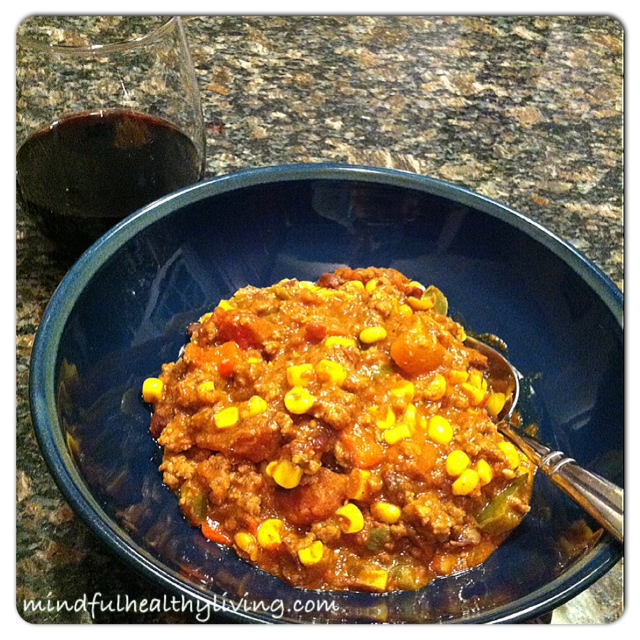
Southwest Style Chili – Delicious and Easy!

lace

Serves 5-6
Prep Time: 20 minutes
Cook Time: 60 minutes

Ingredients:
• 1 lb lean ground beef
• 2 cans of chili seasoned diced tomatoes
• 1 can of red kidney beans, not drained
• 1 tablespoon olive oil
• ½ yellow onion, chopped
• 3 garlic gloves, minced
• 1 large green pepper, diced
• 1 large red pepper, diced
• 1 can of corn, drained
• 1 tablespoon chili powder
• 1 tablespoon cumin

Directions:
In a large saucepan, brown the beef and once cooked, drain the beef and transfer to a large pot. Add canned tomatoes and kidney beans. Let simmer on medium.

In the now empty saucepan, add the olive oil and lightly brown the onion and garlic on medium, ~5 minutes. Add the diced green and red peppers, cook until tender, ~ 5 minutes.

Add vegetable mixture to beef mixture and stir. Add in chili powder and cumin. Bring to a low boil and simmer for approximately 1 hour, stirring occasionally.

Pair with your favorite glass of red wine for some added antioxidant benefits and ENJOY!

Think About Your Food Today…

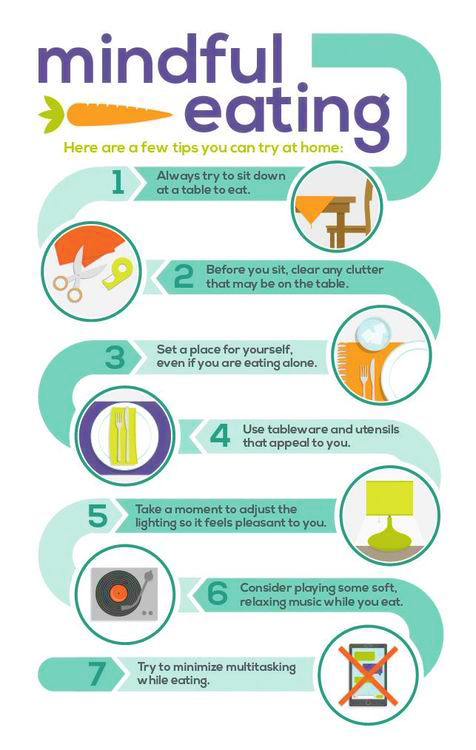
Mindful Eating

“Contemplating our food for a few seconds before eating, and eating in mindfulness, can bring us much happiness” Thich Nhat Hanh

Mindless eating can lead to poor food choices, often foods high in sugar and fat and allow us to become disconnected with what we are eating and how it makes us feel. If we just take time before we eat our meals and become mindful of what we are putting in our bodies we can really start to make that mind/body connection. The intent here is to slow down, enjoy the taste, digest and metabolize all those wonderful nutrients you are eating. Learning what this feels like and practicing it in your everyday life is so important.

I challenge you today, and every other day, to be mindful of the foods you are eating and how it makes you feel. Keeping a daily journal can be a very helpful exercise in making this an everyday habit.

Cheers to Mindful, Healthy Living!

Crossfit’s Dirty Little Secret

crossfit2

Crossfit’s Dirty Little Secret

I have many friends who do Crossfit and have seen tremendous results, which is terrific! I, myself, have even tried it several times and have felt my muscles going to work long after the workout was over – something many of us like to experience.  On the other hand, I have heard several stories within the last few years of people getting injured and/or experiencing extreme overexertion.  This being said, I found this article to be quite interesting in terms of the negative aspects of overexerting your body to the extreme. The last paragraph sums it up very nicely…

“Exercise is just about the best thing you can do for your body, but in the case of Crossfit, we’re left to ponder the question, is this workout worth the risk? Can the culture adapt to one that embraces safe training principles? Do coaches truly have the ability to detect what a proper training load is for their athletes? Only time will tell, but the future of CrossFit may depend on it.”

For me and for my body, I will be sticking with my spin, plyometrics, and zumba classes while also continuing to practice yoga. 🙂

Eggplant Lasagna – Gluten Free Option!

glutenfreelasagna1

Eggplant Lasagna – Gluten Free
Serves 8
Prep Time: 35 minutes
Cook Time: 40 minutes

Ingredients:
• 2 tablespoons olive oil
• 1 medium red pepper (chopped)
• 2-3 garlic gloves (minced)
• ½ cup chopped onion
• 1 lb lean ground beef
• 1 Jar of your favorite marinara (homemade marinara works just as well!)
• Fresh basil
• Fresh oregano
• 1 Eggplant (sliced lengthwise ~1/4 inch thick)
• 6 cooked brown rice lasagna noodles (for Gluten Free Recipe)
• 1 cup Part Skim Ricotta
• ½ cup grated Parmesan Cheese
• 3 eggs
• ½ cup part skim mozzarella

Directions:
In a large sauce pan, cook the ground beef and drain.

In medium saucepan, heat olive oil and sauté red pepper and onion until tender (~5 min), add garlic and sauté until golden brown (~1 min). Add basil, oregano and 1/3 of the marinara sauce. Add this mixture to the ground beef. Remove from heat.

Combine ricotta, parmesan cheese and eggs. Mix well.

Preheat oven to 375 degrees. Lightly coat a 13 x 9 inch baking dish with approximately ½ cup of the remaining marinara sauce. Place 3 lasagna noodles lengthwise on top of the sauce, add half of the cheese and egg mixture, top with eggplant and half of the remaining sauce. Repeat again. Top with mozzarella cheese.

Bake for 25-30 minutes or until the top is golden brown. Remove from oven and let cool for approximately 10 minutes. Serve and enjoy!
glutenfreelasagna2

It’s Pumpkin Time!

It’s that time of year when I start pulling out my pumpkin spiced candles, decorating the house with fall colors, ordering pumpkin spiced lattes and pumpkin flavored donuts (occasionally of course😜), enjoying the smell of the fresh fall air, windows open, and having football on all weekend long. Nothing compares to this amazing feeling of peace and happiness.
Pumpkin1
One thing that’s for certain is that pumpkin is ALL around us, which is so exciting as it is such a multi-functioning, excellent source of nutrition! I can’t help but take advantage of it this season. Whether I am baking pumpkin muffins, pancakes, sauce, or adding it to my smoothie, I will certainly be experimenting with all kinds of recipes this season. The good ones I will be sure to post!

This being said, I wanted to share how cooked pumpkin and roasted pumpkin seeds can aid in your nutrition and well-being in hopes that you may be consuming lots of it this season!
Pumpkin4
• Pumpkin is a great source of fiber and low in calories, 3 grams of fiber and only 49 calories per 1 cup. A fiber-rich diet has been consistently known to aid in weight loss.

• 1 cup of cooked pumpkin provides you with more than 200 percent of your recommended daily intake of vitamin A, which aids in vision.

• The antioxidant beta-carotene found in pumpkin has been researched and found to possibly play a role in cancer prevention.

• The same free radical neutralizing powers of the carotenoids in pumpkin that may keep cancer cells at bay have also been known to diminish the signs of wrinkles.

• Studies have shown that pumpkin seeds are naturally rich in plant based chemicals called phytosterols that have been shown to lower LDL, aka “bad” cholesterol.

• The amino acid found in pumpkin seeds has been known to be an all natural mood enhancer. Grab a handful of roasted pumpkin seeds to improve your mood!

• Cooked pumpkin is a great source of potassium, even better than a banana! 1 cup of cooked pumpkin provides you with 564 milligrams of potassium vs. 422 grams in a banana. This is a great post workout snack as it refuels the body for faster recovery.
pumpkin5
All of this information has been gathered from various resources and intended to provide valuable information to improve overall health and well-being.

Cheers to Mindful, Healthy Living!

Zucchini Quiche – Paleo Style

One of my most challenging meals to plan for is breakfast. I often find myself reaching for the most convenient breakfast meal and often times it’s the least healthiest option. Ideally, I would like to start my day with some vegetables, protein and lean carbohydrates so I’ve been doing some research and adapted this recipe from a Paleo recipe. I found this recipe to be easy to prepare, nutritional, filling, easy to reheat throughout the week and most importantly tasty! I added in the Applegate Chicken Sausage for added taste and protein. This can certainly be omitted for a vegetarian dish.

Here are the details 🙂

Serves 6
Prep Time: 20 minutes
Cook Time: 35 minutes

Ingredients:
• 8 eggs + 2 egg whites
• 2 medium sized carrots – shredded
• 1 medium to large sized zucchini – shredded and squeezed with a cheese cloth or paper towel to remove excess water
• ½ teaspoon rosemary
• ½ teaspoon sea salt
• ½ tablespoon of soft organic butter to coat the pan
• 2 Applegate Farms Apple Chicken Sausage (optional and can be found at Trader Joes) – Cooked and Thinly Sliced

Directions:
Shred the carrots and zucchini and set aside. In a medium sized bowl, mix well the eggs and egg whites and add the rosemary and salt. Add the shredded carrots, zucchini and chicken sausage. Mix well.
quiche2

Preheat the oven to 375 degrees. Coat a 9” x 12” pan with butter and add the egg mixture. Bake for approximately 30-35 minutes or until the edges are golden brown.
quiche1

Quick, Easy and Delicious!

Cheers to Mindful, Healthy Living!

Happy Labor Day!!

20130902-163825.jpg

Celebrated with friends and family today and experienced my first shrimp boil! Healthy and delicious! (minus those 3 sticks of butter) 😜 . I hope everyone had a safe and happy Labor Day weekend! ☀